Since July 2009, the UW Department of Pediatrics and Seattle Children’s Hospital have offered a two-year postdoctoral Health Services and Quality of Care Research Fellowship. Through this fellowship, fellows learn state-of-the art health services and quality improvement research methodologies with close mentorship from outstanding, experienced faculty in the UW Department of Pediatrics, Seattle Children’s Hospital and Seattle Children’s Research Institute.
The fellowship includes required course work in the UW School of Public Health and Community Medicine and fellows have the opportunity to earn a Master of Science in Health Services. Up to 20% of the fellow’s time will be spent in clinical work (either inpatient or outpatient, depending on fellow’s interest); the remaining time will be dedicated to mentored research and coursework. The fellowship is funded by the Center for Quality and Patient Safety at Seattle Children’s Hospital. Support includes stipend, research support, tuition, benefits, travel, and administrative support. Graduates of our program have gone on to secure funding for their work from the NIH, AHRQ, private foundations, and their institutions, supporting research and QI research projects that are making important contributions to improving the quality and equity of pediatric care delivered in primary care, hospital medicine, endocrinology, gastroenterology, and more.
Related Links:
- Fellows engage in mentored research activities. Each fellow is expected to complete at least two research projects within two years. The fellow will meet with one of the two fellowship directors (Drs. Lion and Bryan) routinely throughout their training. The fellowship director will also help the fellow identify other possible mentors with compatible interests early in the first year of the fellowship, selecting from faculty in all Divisions of the Department of Pediatrics and across the Schools of Medicine and Public Health. The fellowship director and chosen mentors assist fellows with the selection of research projects to complete during their training.
- Fellows are expected to independently complete a series of QI Research Methods readings on eight different QI research topics supplied in a syllabus at the beginning of their training. Topics include QI research methods such as interrupted time series analysis, cost-effective analysis, and stepped wedge designs. These articles are discussed with one of the fellowship directors early in their training to help orient them to methods they might utilize for their research projects.
- Fellows present their scholarly progress at “Works-In-Progress” seminars ~2-3 times a year.
- Fellows participate in training activities with other pediatric fellows in the Department of Pediatrics who have a clinical and/or health services research focus.
- Fellows enroll in the MS or MPH program at the UW School of Public Health and Community Medicine. The MS/MPH program ensures that they receive excellent training in the basic methods of health services research, with a focus on biostatistics, epidemiology and research study design. They also have opportunities to immerse themselves in specialized fields of study as these pertain to their research interests, such as health policy, health economics, prevention science and qualitative methods. All interested applicants should simultaneously apply to the School of Public Health if interested in this fellowship. For more information see: https://sph.washington.edu/program/mph-health-services-general-focus.
- Ongoing regular evaluation of fellow progress is accomplished through learning contracts. Fellows draft learning contracts and revise them quarterly, as a means of setting goals and objectives and tracking their progress. Each fellow has a Scholarship Oversight Committee made up of 2-3 faculty mentors in addition to their assigned fellowship director. This committee will assess their progress, provide advice on coursework and projects, and assist with future career planning.
- Fellows participate in research seminars hosted by the Seattle Children’s Research Institute, as appropriate.
- Fellows have office space at the Seattle Children’s Research Institute in order to be co-located with other junior faculty and in close proximity to other senior health services research mentors.
- Fellows are required to attend the annual Academic Pediatric Association sponsored QI Research Methods Conference the day prior to the Pediatric Academic Societies Meeting each year of fellowship. Travel costs are covered by the fellowship program.
Eligibility
Outstanding pediatricians with a strong interest in developing skills related to health services and quality of care research. Eligible applicants must have completed an accredited 3-year pediatric residency program in the United States. Eligible applicants must be either board-eligible or board-certified in pediatrics. Applicants considering or enrolled in a pediatric sub-specialty fellowship are welcome to apply. Women and individuals from underrepresented groups are encouraged to apply.
Application Process
Potential applicants should send an email of inquiry to the fellowship directors (Drs. Casey Lion and Mersine Bryan): casey.lion@seattlechildrens.org AND Mersine.Bryan@seattlechildrens.org.
For your application, please send the following materials electronically to program co-directors Dr. Lion and Dr. Bryan:
- Your CV
- A two-page personal statement, including your area of research interest and a proposed fellowship project. Feel free to include information about your background and life experiences, any obstacles you have faced in your education or career, and how those things may have informed how you approach your work.
- Three letters of recommendation
- Candidates concurrently pursuing a subspecialty fellowship (excluding Pediatric Hospital Medicine): A letter of commitment from the Seattle Children’s division chief of your subspecialty that states that your clinical responsibilities will not exceed 20% FTE and you will have 80% protected time for research activities and coursework during the 2-year period of the HSQOC fellowship.
- All applicants interested in receiving a concurrent Master’s Degree should simultaneously apply to the UW School of Public Health. For more information, see Health Systems and Population Health Master of Science - Health Systems and Population Health. Applications for the UW School of Public Health are due December 1st, 2026. Please contact the fellowship directors in advance to discuss the appropriate program to apply to within the UW School of Public Health.
Application Timeline
To apply, please submit the documents as noted above. The Fellowship Co-Directors will review your application and respond to you within 2 weeks of receiving your application. Please email the Fellowship Co-Directors if you have any questions.
Please note, if you are interested in obtaining a Master's Degree with this fellowship, please be sure to follow the instructions above and apply for the UW School of Public Health program before their deadline of December 1st, 2025.
| July 1st, 2026 | Application cycle is open (for a July 1st, 2026 fellowship start date) |
| Dec. 1, 2026 | Applications due (including separate application to UW School of Public Health) |
| Dec 8-19, 2026 | Applicants invited for interviews |
| Jan 9, 2027 | Applicants will be notified of acceptance |
| July 1st, 2027 | Fellowship start date |
Seattle Children's Research Institute (SCRI)
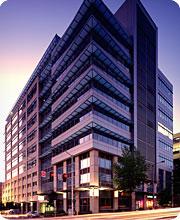
As one of the nation's top five pediatric research centers, Seattle Children's Research Institute is dedicated to providing hope, care and cures to help every child live the healthiest and most fulfilling life possible. With one million square feet of clinical, laboratory and office space, a workforce of over 2,400 people and over $253 million in total extramural funding for the 2023 fiscal year, we are working toward the next wave of lifesaving discoveries.
The research institute is organized into centers, specializing in areas that include immunotherapy, tissue and immune transplantation, outcomes research, clinical and translational research, and child health and behavior. Researchers work in close collaboration with one another, their colleagues at partner institutions including the University of Washington and Fred Hutch Cancer Center and our healthcare providers at Seattle Children's Hospital. This collaboration allows our faculty to draw on a variety of disciplines and techniques as they pursue solutions to some of medicine's most complex problems.
Seattle Children's Hospital
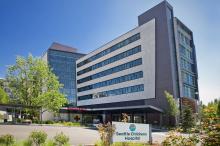
Seattle Children's Hospital is both a community hospital for greater Seattle and the pediatric referral center for the Northwest providing excellent pediatric care to meet the medical, surgical and developmental needs of children in the WWAMI region (Washington, Wyoming, Alaska, Montana, and Idaho). Serving as the main clinical training site for pediatric residents, this 423-bed hospital is conveniently located 1.5 miles from the University of Washington campus in a residential neighborhood of Seattle. The staff consists of University faculty and Seattle Children's full-time physicians.
Additional Information
University of Washington, School of Public Health
The UW School of Public Health is grounded in teaching, research, and service. Their 11,000 graduates have gone on to transform communities, lead health organizations, and find solutions to emerging public health challenges.
Their major departments are Biostatistics, Environmental and Occupational Health Sciences, Epidemiology, Global Health, and Health Systems and Population Health.
Fellowship Leadership
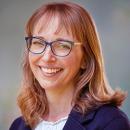
Casey Lion, MD, MPH
Associate Professor Program Co-Director, Health Services and Quality of Care Research Fellowship
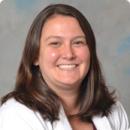
Mersine Alexis Bryan, MD, MPH
Associate Professor Co-director, Health Services and Quality of Care Research Fellowship
Faculty
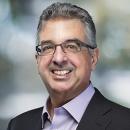
Casey Lion, MD, MPH
Associate Professor Program Co-Director, Health Services and Quality of Care Research Fellowship

Current Fellows
Image
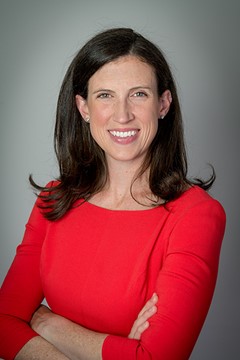
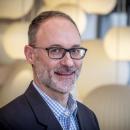
| Janis Sethness, MD, MPH (she/her) Janis Sethness is an adolescent medicine fellow as well as a Health Services and Quality of Care research fellow. She completed her Med-Peds residency at Baylor College of Medicine in 2017 after attending medical school at University of California, San Francisco, where she participated in the Program in Medical Education for the Urban Underserved (PRIME-US). As part of PRIME-US, she also obtained a Master of Public Health degree from Johns Hopkins Bloomberg School of Public Health. Prior to medical school, she studied community health and international relations with a focus in global environment at Brown University. Janis’ research interests focus on improving health outcomes for transgender and gender diverse adolescent populations by developing supports during the transition process from pediatric gender clinics to adult care. She also does quality improvement work related to adolescent confidentiality and information sharing through electronic medical records and patient portals. She is excited for the opportunity to take part in the excellent training and mentorship offered by the Health Services and Quality of Care research fellowship, which will allow her to expand foundational research skills and support her career development as a clinician-scientist. |
Image
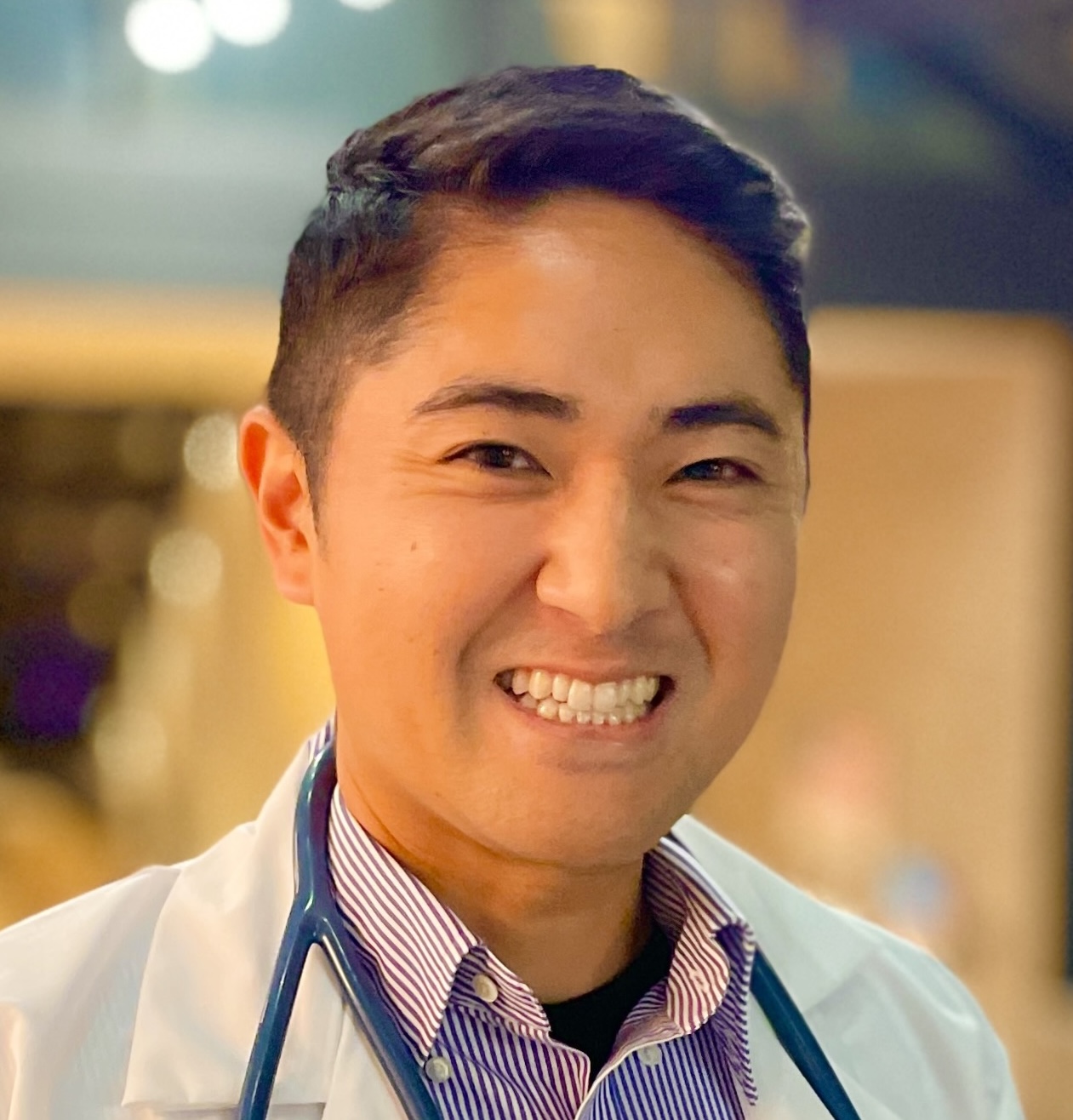
| Yusuke Matsuura, MD, MPH Yusuke Matsuura is a developmental-behavioral pediatrics fellow, as well as a Health Services and Quality of Care research fellow. He earned his medical degree from Gifu University School of Medicine in Japan and completed his pediatric residency at the Icahn School of Medicine at Mount Sinai/Mount Sinai Hospital. He also obtained a Master of Public Health degree from the Johns Hopkins Bloomberg School of Public Health. Yusuke’s research interests focus on technology-assisted approaches to expand equitable access to supports for neurodivergent children and their families. His previous work includes assessing and improving the readability and quality of patient education materials, as well as quality improvement initiatives to implement developmental screening within healthcare systems. His current research focus is on AI-assisted interventions for behavioral support, with the goal of decreasing anxiety and distress among children with autism spectrum disorder and their families. He is also committed to supporting Japanese-speaking communities through pediatric health writing and community-based education in the U.S. He looks forward to the fellowship to strengthen his clinical research skills and bridge technology research and clinical care by translating innovations into evidence-based, real-world supports for neurodivergent children and their families. |
Recent Alumni
Melissa Martos, MD (2023-2025)
Seattle Children's
Jason Lau, MD (2022-2024)
Timothy Ohlsen, MD (2021-2023)
Acting Assistant Professor, University of Washington, Seattle Children's
Kathleen Bonsmith, MD, MIPH, MS (2019-2021)
Talya Miller, MD, MSPH (2018-2020)