About WWAMI Regional Medical Education
The UW School of Medicine is the home site for the WWAMI Regional Medical Education program, named for the five states it serves: Washington, Wyoming, Alaska, Montana, and Idaho. The program, which started in the early 1970s, provides training in primary care, family, medicine, and rural medicine to medical students and residents across the region. It has been recognized for decades as one of the most innovative medical education and training programs nationwide.
All medical students and residents within the Department of Pediatrics benefit from the opportunity to train in rural hospitals and community clinics within the WWAMI region as part of their medical education. By giving students this unique opportunity, the program is helping to address the shortage of primary care physicians outside of major cities. More than half of WWAMI graduates become primary care physicians, and many choose to practice in rural areas. Physicians who train in the area where they grew up are also more likely to stay in the region after residency.
The Pediatrics WWAMI program has over 50 teaching sites, more than 500 volunteer clinical faculty, and many more educators teaching throughout the region. The department has a long history of providing students and graduates with strong training in rural primary care in addition to a top-tier education in inpatient care and subspecialties.
Medical Students
The Pediatric Medical Student Program has more than 20 sites in the WWAMI region outside of Seattle, where over 70% of students do their required Patient Care Phase. Medical students also have the opportunity to participate in WRITE (WWAMI Rural Integrated Training Experience), which offers selected third-year students an 18- to 22-week clinical education experience at a rural primary care teaching site. The 11-month Olympia LIC (Longitudinal Integrated Clerkship) combines six Patient Care Phase clerkships into a longitudinal experience in and around Olympia, WA.
Residents
The Pediatric Resident Program has six established sites in the WWAMI region. Each Pediatric resident, during their second year of residency, spends eight weeks at one of the training sites. For residents interested in training more intensively in rural primary care, we have the Alaska Track, which immerses residents within the rich diversity of experiences that practicing medicine in Alaska has to offer.
Teaching and Leadership
Faculty and trainees involved in the WWAMI program serve many roles – from mentoring, training, and evaluating students to managing program activities. We feel it is one of our most important responsibilities to train pediatricians to meet the primary care needs of children throughout different areas in our region.
- Clinical Faculty are the core of the regional teaching component of the WWAMI programs. They teach medical students and residents, provide mentorship, and participate in other activities across the various WWAMI sites.
- Visiting Professors provide informational support and faculty development at WWAMI training sites. They may visit a site for a lecture or Grand Rounds presentation, discuss a case, or advise on patients. Training sites typically request visiting professors based on their population and needs.
- Site Directors are the center of communication between educators, residents or students, and program leadership in Seattle. They keep programs running smoothly and assist with site specific details, including managing curriculum, faculty, and student evaluations.
- Educators work with medical student trainees as mentors and instructors, and are an essential part of their success.
Leadership

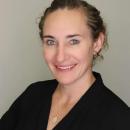
Rebekah A. Burns, MD
Professor Pediatric Medical Student Program Director, University of Washington Medical Student Site Director

Contact Us

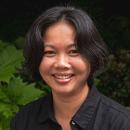

Rebekah A. Burns, MD
Professor Pediatric Medical Student Program Director, University of Washington Medical Student Site Director